Every tone begins the old way: real valves warming up, aged transformers humming, speakers that have already lived a life.
We capture rare, high-end, and genuinely vintage amplifiers exactly as they are.
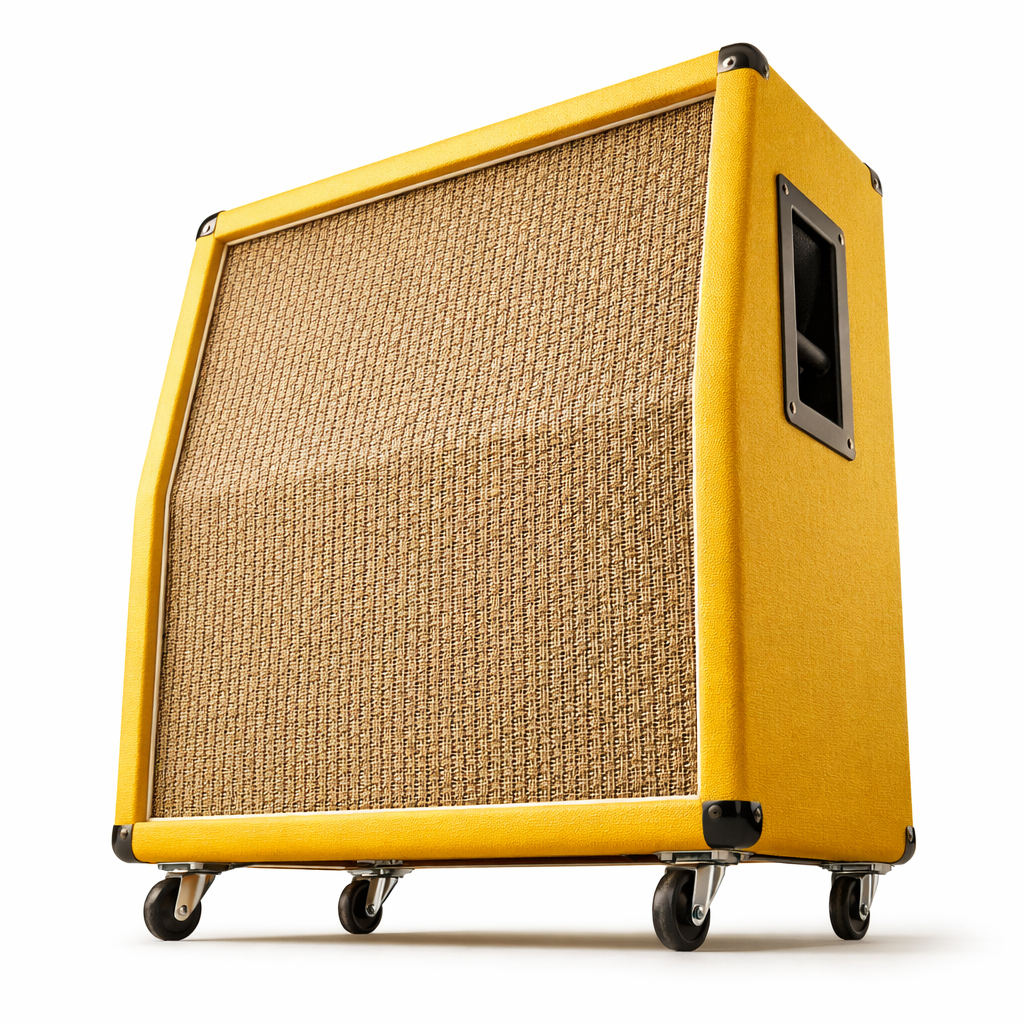
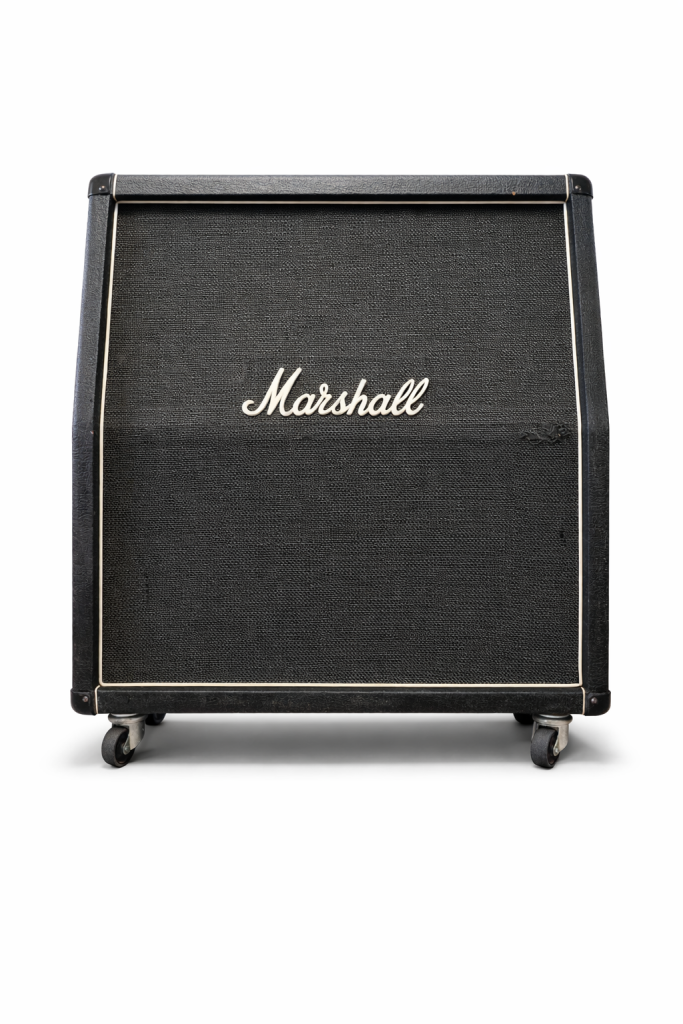
Every IR and amp capture is made from the real thing, carefully recorded so the character, flaws, and magic remain intact.
What you load isn’t a simulation of vintage tone, it is vintage tone, preserved and ready whenever the vibe strikes.
Our IRs are made the way you’d want them made: by putting exceptional speakers in the room, pairing them with the right cabinets, and capturing them with care.
We record vintage drivers, because they bring a specific midrange, compression and texture you can’t fake, then audition them in both vintage and modern cabs to give you options that actually matter in the real world: feel, response, and placement in a mix.
In partnership with
Zilla Cabs
We’ve partnered with Zilla Cabs, a British builder known for doing things properly: handmade in England, using hand-selected materials and tried-and-tested construction, with a mindset that honours traditional methods while embracing modern refinements.
For our IR captures, that matters. Zilla’s cabinets give us a consistent, high-quality platform with genuinely useful variation: from traditional 4×12 voicings that stay focused and don’t overhype the bass, to modern designs with practical studio flexibility like the Studio Pro’s angled baffle and three-piece back panel for open/closed-back options.
Why we chose Zilla
A proven range, including the award-winning Fatboy 2×12 and purpose-designed, player-led designs like the Studio Pro.
Built in England (Tintagel, Cornwall) by a team focused on quality and longevity.
FAQs
General (IRs vs Captures)
What’s the difference between an IR and an amp capture/profile?
An IR captures the sound of a speaker + cabinet + mic + mic position (and the room influence that sneaks in). An amp capture/profile recreates the behaviour of the amp (and often the cab/mic if it’s a full rig capture). Many players use amp capture + IR to mix-and-match amp feel with different cabs.
Do I need IRs if I’m using captures/profiles?
Often, yes—if your capture is an amp-only capture. IRs let you change cabinets and refine the final “mic’d cab” sound quickly.
Are your IRs mix-ready or raw?
They’re captured to be usable immediately, but still honest—no extreme post-processing. Think “finished mic sound” rather than hyped EQ.
What sample rate are your IRs?
Most modellers are happiest with 48 kHz (and many accept 44.1 kHz too). We typically provide the common rates where practical. If your device only accepts one, use that one.
What IR length should I use?
Shorter lengths use less CPU and can feel tighter; longer lengths can retain a touch more low-end/space. If you’re unsure: start with your device’s default “recommended” length.
Do your IRs work for bass / acoustic / FRFR?
Cab IRs are mainly for electric guitar rigs. For bass it can work (especially for mid-forward sounds), but it’s not the same as a dedicated bass cab capture.
ToneX (IK Multimedia)
Can I load your IRs into ToneX?
ToneX Player/Software can use IRs in certain workflows, but many ToneX users run captures into an IR loader or use ToneX’s cab section depending on setup/version. If your ToneX setup doesn’t offer IR loading where you expect, the workaround is typically: ToneX capture (amp) → external IR loader.
Are your ToneX captures “Amp Only” or “Rig” (amp + cab/mic)?
We offer captures clearly labelled by type.
- Amp Only = designed to be paired with your chosen IR/cab.
- Rig/Full = includes the cab/mic portion captured in the ToneX capture itself.
What’s the best way to pair ToneX captures with your IRs?
Use Amp Only captures and choose the IR that matches your speaker/cab flavour. Keep it simple: capture gain staging sensible, then shape with IR choice before heavy EQ.
Do you provide ToneX presets?
Where included, presets are starting points—your guitar/pickups and monitoring make a huge difference.
Kemper Profiler
Do your IRs work with Kemper?
Kemper uses cabinet data as Kemper Cabs. You can load third-party IRs by converting them or by importing via Kemper’s supported workflow, but many Kemper users prefer Kemper-format cabs for best integration. If we supply Kemper cabs, they’ll be clearly labelled.
Should I use “Merged,” “Studio,” or “Direct” profiles with IRs?
- Direct Amp + IR/cab = great if you want total cab flexibility.
- Merged profiles are ideal if you want accurate separation of amp/cab.
- Studio profiles include the cab portion, so adding an IR on top can double up the cab sound unless you disable the cab section.
Why does my Kemper sound different from the demo?
Monitoring is the big one: FRFR vs power amp into a real cab, headphone output, global EQ, and output settings can all change the feel. Also check that you’re not stacking cab sounds (Cab on + IR elsewhere).
Quad Cortex (Neural DSP)
Can I load your IRs into Quad Cortex?
Yes—Quad Cortex supports third-party IR loading. Import the IRs, then use them in a Cab/IR block within your preset.
Do your captures work on Quad Cortex?
Quad Cortex uses Neural Captures. If we offer QC captures, they’ll be provided in QC-compatible format and named clearly.
Should I use a QC capture with an IR, or just a capture?
If the capture is amp-only, pair it with an IR. If it’s a full rig capture (including cab), you typically don’t add an IR unless you intentionally want that layered effect.
Any tips for levels and gain staging on QC?
Keep input level healthy but not clipping; set capture block output so you’re not overdriving the next block unintentionally. Most “fizz” issues come from too much gain and too bright an IR—try a different mic position IR before reaching for heavy EQ.
Compatibility & Practical Stuff
Will these work live through FRFR?
Yes—IRs and captures are made for FRFR/PA use. For the most natural feel, use a good FRFR and keep global EQ minimal.
Can I use these into a real guitar cab?
If you’re using a real guitar cab, you usually disable IR/cab blocks to avoid “cab into cab.” The exception is if you’re running direct to FOH and a real cab on stage via a power amp (two separate paths).
Why do some IRs sound darker/brighter than others?
That’s normal. Different speakers, different cabs, different mics/positions. Use it as a tool: choose darker IRs for bright guitars/amps, and brighter IRs to help a darker rig cut.
Do you offer refunds?
Digital products are usually not refundable once downloaded, but if you’ve got a genuine compatibility issue, we’ll help you get up and running.
I’m new to this—what should I buy first?
Start with one pack that covers a few “bread and butter” tones (clean edge, crunch, higher gain) and learn how IR choice changes the entire rig. After that, add flavours (vintage vs modern cabs, different speaker types).
Sign up to receive our newsletter.
- Get updates on the latest additions.
- Tech tips for your mixes.
- Experience the world of vintage tones.
